Buying guide for best sleep trackers
Ready to buy now? Shop the best:
Are you concerned that you may not get quality sleep? Short of going to an actual sleep clinic for medical testing, you can monitor your sleep right at home with a variety of sleep trackers.
Sleep trackers use data gathered from your resting heart rate, heart rate variability and breathing to determine how long you rest and how much time is spent in each sleep stage. Combined, this data can provide valuable insights into the quality of rest you’re actually getting.
There are many types of sleep trackers, and whether you opt for a small wearable like the Oura Ring 4 or an armband-style tracker like the Garmin Index Sleep Monitor, you can see your sleep habits and find ways to improve them to get better rest.
Editors’ picks
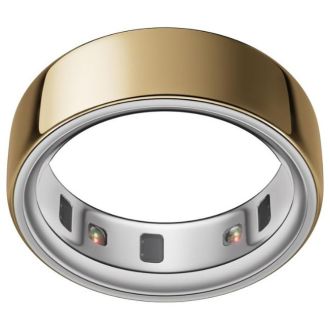
Oura Ring 4
Editors’ Favorite
Type: Ring | Battery Life: 8 days | Water Resistance: IP68 | Connectivity: Bluetooth | Subscription Cost: $5.99/mo
The Oura Ring 4 is a lightweight smart device that you can wear on your finger to track various health metrics, including sleep. It’s the most comfortable option for those who want to analyze sleep patterns without clunky wearables, such as smartwatches or armbands.
With an eight-day battery life, the Oura Ring 4 provides continuous tracking of health and fitness, and delivers in-depth sleep reports every morning. Its comprehensive analysis offers insight into time spent in core sleep stages, efficiency, heart rate variability, body temperature and breathing patterns. Plus, you can track various activities, such as resistance training, walking and jogging.
Customers appreciate this smart ring fitness tracker for its accuracy, gentle handling of sensitive skin, and compatibility with both iOS and Android smartphones. Designed for 24-7 wear, the Oura Ring 4 is the top choice for continuous tracking, delivering more consistent results than other sleep trackers.
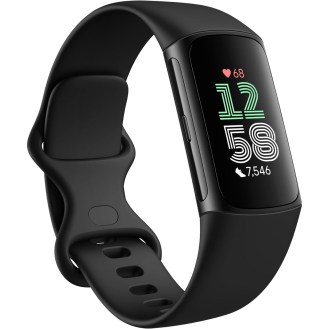
Fitbit Charge 6
Great Value
Type: Wearable Wristband-style Fitness Tracker | Battery Life: 7 days | Water Resistance: IP68 | Connectivity: Bluetooth | Subscription Cost: $9.99/mo
The Fitbit Charge 6 is a terrific fitness tracker with excellent sleep-tracking capabilities. With an ultra-lightweight wristband design, it's one of the best choices for 24-7 wear and continuous health tracking.
It’s preloaded with various Google apps, including Wallet, Maps and YouTube Music, as well as an array of tools to help those with an active lifestyle achieve their fitness goals. It tracks sleep by analyzing heart rate variability and movement, and automatically detects sleep after an hour of inactivity. The Daily Sleep score shows how stress affects your sleep quality, and you’ll get a breakdown of time spent in each sleep stage.
A slim, yet reliable tracker, the Fitbit Charge 6 is excellent for athletes and gym-goers who want to stay on top of their fitness. Sleep tracking is accurate, and you’ll get a six-month free trial to Fitbit Premium, where you can get personalized sleep reports, in-depth analyses of nightly trends and a readiness score for your next workout.
Apple Watch Series 11
Best Sleep-Tracking Watch
Type: Smartwatch | Battery Life: 24 hours | Water Resistance: IP6X | Connectivity: Bluetooth, Wi-Fi | Subscription Cost: $10.99 (optional Apple Fitness+)
The Apple Watch Series 11 is hands-down the best option for those who want the most reliable sleep-tracking smartwatch. It has an ultra-durable, scratch-resistant display and an IP6X water-resistance rating, so you can wear it while swimming or when it’s raining.
It tracks sleep duration and provides metrics to help improve overall sleep quality. It measures total sleep duration, consistency of bedtime, and sleep interruptions, with restorative scores categorized as Excellent, High, OK and Low. Plus, you can set personalized sleep schedules to remind you when it’s time to wind down and minimize distractions before bedtime.
If you’re an iPhone user and want a reliable smartwatch for sleep tracking and staying connected, the Apple Watch Series 11 is a no-brainer. Its lightweight, sleek design makes it comfortable enough for all-day wear, and its user interface and accurate tracking capabilities are among the best in the fitness-tracker category.
Garmin Index Sleep Monitor
Best Sleep Tracker Armband
Type: Armband | Battery Life: 7 Nights | Water Resistance: N/A | Connectivity: Bluetooth | Subscription Cost: None
If you don’t like the idea of wearing a smartwatch or even a smart ring during bedtime, then the Garmin Index Sleep Monitor may be a suitable alternative. This armband-style sleep tracker is lightweight, comfortable and provides excellent insights into overall health.
It offers seven nights of battery life and generates a sleep report based on metrics, such as sleep stages, heart rate variability, and rest duration. Pulse Ox uses breathing variations to monitor levels while you sleep, helping the device gather data that can identify disturbances affecting your sleep quality.
The Garmin Index Sleep Monitor syncs with Garmin smartwatches, and you can also view data in the Garmin Connect app on your smartphone. Sleep tracking is accurate, and the Wake Up feature is convenient for waking up gently in the mornings. Plus, the band itself is machine-washable for easy cleaning.
Withings Sleep Tracker
Best Under-Mattress Sleep Tracker
Type: Under-Mattress | Battery Life: NA | Water Resistance: NA | Connectivity: Wi-Fi | Subscription Cost: None
Those who want a hassle-free way to track sleep without wearable technology will appreciate this high-end under-mattress sleep tracker. The Withing Sleep is clinically tested to provide lab-level results right at home.
The device works with most mattresses and detects breathing disturbances that affect sleep. The free Health Mate app provides insights into time spent in REM, light-sleep and deep-sleep stages, and a daily Sleep Score you can use to adjust your bedtime habits and consistently improve your sleep quality.
The Withings Sleep Tracker is compatible with both iOS and Android phones, and it can sync with Alexa for hands-free operation. It can also sync with your favorite health apps, providing a convenient way to view data and reports to improve sleeping habits. Plus, it features snoring detection and lets you proactively monitor your heart to stay on top of your cardiovascular health.
How we analyzed
Given the many types of sleep trackers, we aimed to include a diverse array of devices to accommodate people with different preferences. For example, we considered ring, wristband-style, smartwatch, sleep pad and armband wearables for our top picks. We ensured that every pick delivers high-quality, reliable sleep tracking to help customers understand their sleep habits.
Key features to consider
Types of sleep trackers
There are four primary types of sleep trackers, each with its own pros and cons. It’s a matter of preference, as all can be fairly accurate under the right conditions. Here’s a quick look at all four:
Ring
Smart rings, such as the Oura Ring 4, are the least cumbersome type of wearable sleep tracker. You can sleep comfortably while wearing it without worrying about it slipping off, but there’s no screen to view data, so it’s all accessible only through your smartphone.
Watch
Smartwatches offer solid sleep-tracking accuracy given the right circumstances, and many high-end models, such as the Apple Watch Series 11 and Fitbit Charge 6, provide detailed breakdowns of key metrics, including time spent in sleep stages. However, they can feel a bit clunky to wear while you sleep, and accidental shifting may yield less-than-accurate results.
Under-mattress
Under-mattress trackers, such as the Withings Sleep Tracker, are the least restrictive as they don’t even make contact with your body. They’re excellent for analyzing long-term trends and are easy to set up, requiring only that you place them under your mattress and sync them with your phone. However, they’re generally slightly less accurate than wearables and can be affected significantly by factors such as mattress type and thickness.
Armband
Armband sleep trackers such as the Garmin Index Sleep Monitor are a great alternative for those who don’t like smartwatches or rings, and they usually offer much better battery life. You can typically get up to a week’s worth of sleep data on a single charge, and because your arms move less than your wrist while you sleep, results can be more accurate. However, comfort varies by model, and they typically have fewer sensors than smartwatches, which can lead to less-accurate readings under certain conditions.
Accuracy and metrics
Sleep tracking
Although sleep trackers aren’t as precise as medical-grade equipment, they’re usually accurate within 20 to 40 minutes for total sleep time. Accuracy for sleep stages dips considerably because sleep trackers primarily use heart-rate variability and resting heart rate to infer which sleep stage you’re in. Medical-grade devices, on the other hand, use brain waves to track time spent in sleep stages in real time, making them the most accurate method.
Most sleep trackers provide data on various metrics that can help you gain insights into your sleep quality. They vary by device, but generally you’ll get data regarding total sleep time, sleep stages, resting heart rate, heart-rate variability, breathing rate, restlessness, blood oxygen and skin temperature. However, as previously mentioned, heart rate variability and resting heart rate are the two primary indicators for recovery and overall stress.
Overall health tracking
Smartwatches and rings function as complete health and fitness trackers in most cases, meaning you can get readings on various metrics. It depends on the model, but many offer calorie-tracking, breathing rate, blood oxygen, skin temperature and heart-rate monitoring at rest and during workouts.
Sleep stage analyses and calorie burn are the least reliable with wearables, while heart rate, heart-rate variability and step counting are highly accurate. Breath rate and total sleep time can vary depending on sensor accuracy, but the key is to use all readings over time to identify meaningful trends and make adjustments to improve sleep and fitness.
Analysis and useful insights
Sleep trackers provide data on total sleep time, heart-rate variability, and time spent in sleep stages. That data can be used to generate trend reports that indicate your overall sleep quality, providing insights into how to improve it. Some sleep trackers offer advice and tips to help you fall asleep faster and optimize sleep recovery.
Battery life
Battery life varies widely across wearables such as smartwatches, armbands and rings, but many offer up to a week of nightly tracking on a single charge. For example, the Fitbit Charge 6 can last up to six days on a full charge, while the Apple Watch Series 11 typically lasts only a day or two with minimal use. Under-mattress sleep trackers, such as the Withings Sleep Tracker, plug directly into a power outlet, so you don’t need to worry about charging them.
Design and comfort
Smart rings look just like your everyday jewelry ring, but they’re very basic and comfortable if you get the correct size for your finger. Smartwatches, on the other hand, vary in size and design. Wristband-style trackers, such as the Fitbit Charge 6, are lightweight and comfortable enough for all-day wear. The Apple Watch Series 11 is also relatively sleek compared to other, bulkier smartwatches. Armbands are thin, and you won’t really feel them as you sleep, although they may feel slightly awkward at first and may take some getting used to.
Under-mattress trackers look like large rectangular pads, but they don’t make any contact with your body. As long as they’re compatible with your mattress, you won’t need to worry about them compromising your comfort.
Apps and subscription costs
Many sleep trackers provide basic data reports, but some offer a more comprehensive analysis via paid subscriptions. This is typically true of many smartwatch trackers, such as the Fitbit Charge 6, which also offers features like guided meditations, readiness scores, sleep coaching, and more. Other devices, such as the Withing Sleep Tracker, don’t require any additional subscriptions and provide enough data to gain insights into sleep patterns.
Subscription costs for additional tracking services vary, but they generally range from $5 to $15 per month. They’re optional, but helpful if you want a deeper analysis of your sleep habits.
Privacy
Sleep trackers collect sensitive health data, and most devices store it in the cloud to sync with your phone. That means your information is present on company servers, not just on the device itself.
In most cases, the risk isn’t anything to worry about. However, it’s worth noting that companies may use data for research or product improvement, and any cloud storage carries some risk of data breaches. If you’re concerned about privacy, it’s best to review the brand’s privacy policy before buying or using a sleep tracker.
FAQ
Q. How much do sleep trackers cost?
A. Smartwatches and rings with reliable sleep-tracking capabilities typically cost anywhere from $150 to $350. Dedicated armband and under-mattress sleep trackers are in the ballpark of $100 to $250.
Q. What are the risks of using a sleep tracker?
A. Apart from concerns about cloud privacy breaches, sleep trackers are safe and do not pose any physical health risks. However, there are some reports of users experiencing increased anxiety or stress over sleep habits once they start tracking, which in turn can lead to poorer sleep and overall quality of life.


![Apple Apple Watch Series 11 [GPS 42mm]](http://cdn4.bestreviews.com/images/product-images/best-apple-watch-2025-apple-watch-series-11-gps-cellular-smartwatch-1.jpg?p=w200)




![Apple Apple Watch Series 11 [GPS 42mm]](http://cdn16.bestreviews.com/images/product-images/best-apple-watch-2025-apple-watch-series-11-gps-cellular-smartwatch-1.jpg?p=w325)

